
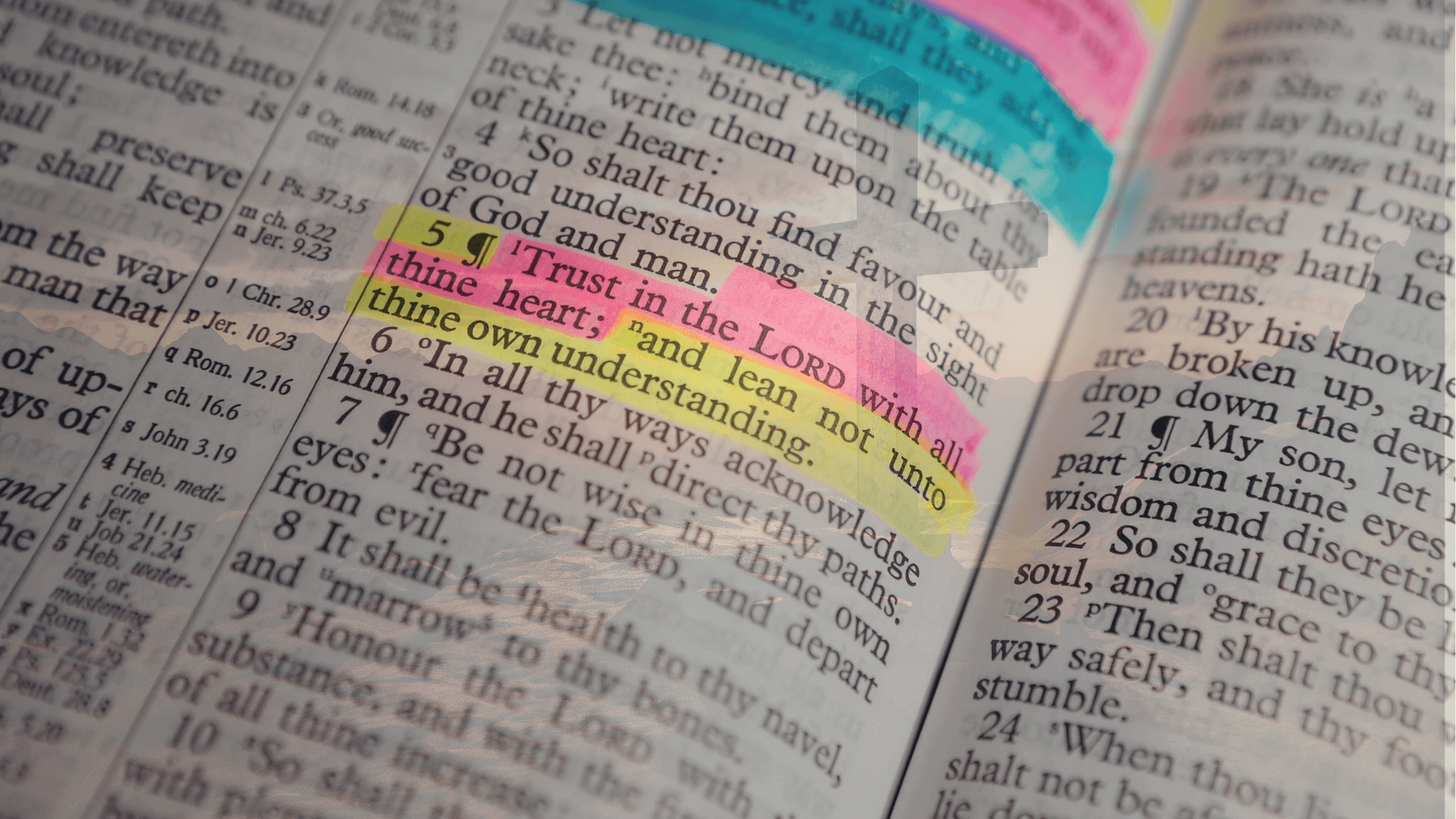
Creative interpretation based on a true story.
We shouldn’t take it for granted, that dusty bible sitting on the shelf. We keep thinking I’ll open it tomorrow, but then tomorrow turns into today and in the end it’s all the same. We get busy or we get bored and occupy our time and minds with lesser things that quench our junk craving while leaving our souls wanting something more.
There was a time where you and me could not open that sacred text if we tried. Traveling back to that time brings us to bumpy cobblestone roads, foggy air, and black tea with milk. This walk down an English memory lane introduces us to William Tyndale, the man that brought the Bible to you, me, and everyone all those years ago.
Tyndale was a knowledge-seeker who was not driven by the approval of man. He didn’t grow up with money, but he did manage to get a top-tier education. As an adult he began to work as a tutor in the home of a wealthy and powerful Brit. His relationship with God was powerful and real and he refused to overlook the corruption he saw all around him.
In this time period, England was still Catholic, and biblical Scripture was only accessible in Latin—the official church language. Only clergy and trained scholars could read it. Church and state leadership kept it this way because they believed Scripture was too complex for “common” people, and also because maintaining control of interpretation meant maintaining control of society. They insisted only those who studied theology could truly understand it. Tyndale disagreed.
Tyndale saw the word of God as living, transformative. He believed that everyone should be able to access it in their own language.
Many nights, the wealthy and powerful Brit that employed him would invite over clergymen and other influential figures for dinners. Tyndale was invited to attend, and it became usual for him to dominate the conversation as he challenged their claims with truth. His employer supported him.
The guests grew a disdain for Tyndale, and in an effort to silence him they aimed to discredit him. The easiest way to accomplish this was to use the one card they had against him: he was of a lower social class than they were. So during one of these dinners, a guest proudly said, “Why should we believe him if he is but a mere tutor?” In that moment, Tyndale knew that this was not about a mutual seeking of truth, rather a political agenda.
Meanwhile, one of his former influences, Erasmus, was famous across Europe. Erasmus remained Catholic, but he believed Scripture should be read more widely and his Greek New Testament became the backbone of Tyndale’s translation. His work strengthened Tyndale’s mission.
As Tyndale’s conviction grew, it formed into a plan to translate the Bible from the original Hebrew and Greek and make it available in English. England refused to allow this kind of work, so Tyndale secretly left the country and traveled to the regions of Germany and the Low Countries, where the Protestant movement sparked by Luther was strong.
Even abroad, English agents continued to come after Tyndale. They tried to lure him back with false promises of protection. He knew better. Although they sabotaged some of his printing work, he still managed to print English translations and smuggle them back into England through merchants and trade ships.
The first reaction of the clergy was to attack his translations. They would find any small choice in wording and treat it as heresy. Despite their efforts to smear his name, people rushed to buy the Bibles. The clergy struck again, banning the translations. People bought them anyway. Eventually, authorities demanded citizens surrender their English Bibles, and the copies they collected were publicly burned. This caused outrage across England as people realized how fiercely the leadership wanted to keep them from Scripture, and they craved the truth even more.
It’s easy to read over information like this in a detached way. After all, we watch violence and shocking content on streaming platforms and social media constantly. But I want to take a moment to really imagine this scene play out. Imagine only a select group of leaders being allowed to read a piece of text that controlled every aspect of your life. You blindly followed it out of trust in the system and fear for your soul and its future in eternity. Someone fights for you to be able to read that book for yourself and they not only try to prevent it, they burn it before your eyes the moment it appears?
And now I want you to think about Tyndale. Imagine waking up every day with a mission you know will literally change the world. Imagine having a relationship with God so real and transformative that you’re willing to give up everything to share that with others. Imagine putting in all of this tedious work and living in hiding day after day, separated from everything you know, only to have your work sabotaged and burned. Imagine continuing anyway.
When I try to imagine this as if I am watching the Bibles being burned on the news, and trying to feel what it would have been like to be Tyndale with that burning mission, I feel like… wow. That is the kind of life worth living. That man is free and connected to his Maker and his purpose, and nothing that this world has to offer or take away from him matters because his sights are set on something higher, more powerful, and more meaningful. He is on a mission and the circus can’t stop him.
So, back to the burning of the Bibles. This is happening all over England and people are enraged. As he goes to sell a big batch to a merchant, he discovers that the buyer is the clergy themselves, buying the batch with the sole intent to burn it. He realizes he can use the money from the sale to pay his debts and keep producing new batches, so he takes it. He also realizes their literal fires are igniting spiritual fires inside the hearts of the English people, so in a way it becomes a powerful, unintended PR move.
He continued writing books and pamphlets. They were banned, yet they circulated anyway, transforming lives and inspiring future translations around the world.
But eventually, betrayal came. A young Englishman named Henry Phillips, charismatic, well-dressed, and pretending to be his friend, approached Tyndale overseas. Phillips was deeply in debt and accepted money from church authorities to turn Tyndale in. He studied Tyndale’s routines and waited for the right moment. One day, he invited Tyndale to dine. As they walked through a narrow passageway, Phillips stepped aside and pointed him out to officers who were lying in wait. Tyndale was seized instantly.
He was imprisoned for more than a year, then tried for heresy. In 1536, he was executed by strangling and burning. His final words were, “Lord, open the King of England’s eyes.”
A few years later, English Bibles based heavily on Tyndale’s work were officially allowed, printed, and spread across the country. His work lived on and became the foundation for nearly every major English translation that followed, including the King James Version.
Fearless, obedient to God, unphased by the power of man, and fueled with a desire for all people to be transformed the way that he was, it is a powerful testament, and he is definitely on my list of “wow” figures.
No responses yet